
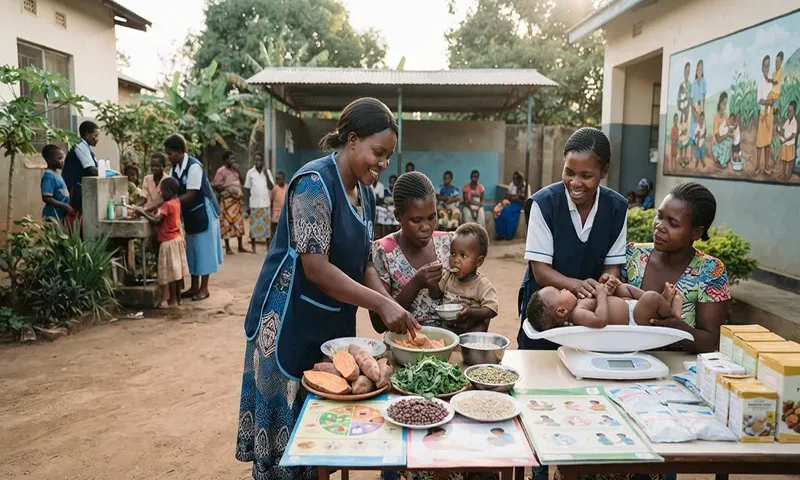
Effective Public Health Nutrition Strategies to Prevent Childhood Malnutrition
Childhood malnutrition remains one of the most critical public health challenges of our time. Far more than just a lack of food, malnutrition is a complex systemic crisis encompassing stunting, wasting, micronutrient deficiencies, and rising rates of childhood overweight. When a child suffers from poor nutrition during their formative years, the consequences extend far beyond physical growth—they permanently alter cognitive development, weaken immune defenses, and diminish lifelong economic potential.
Addressing this crisis requires moving beyond emergency food distribution toward robust, population-level public health nutrition strategies. Sustainable prevention demands a coordinated, multi-sectoral approach that tackles the root environmental, economic, and social determinants of health.
Understanding the Scope and Impact of Childhood Malnutrition
Childhood malnutrition manifests in several distinct, overlapping forms, often referred to as the “triple burden”:
- Stunting (Low Height-for-Age): Chronic undernutrition that impairs linear growth and brain development, typically occurring during the first two years of life. Stunting is largely
