Case Study: Building Trust in Rural Mental Health

The challenge of implementing culturally competent health promotion strategies is perhaps most critical in the area of mental health in rural communities. While rates of depression, anxiety, and suicide are often high, rural residents frequently face profound barriers rooted in cultural norms and systemic issues.

The Challenge of Rural Identity and Mental Health

In many rural settings, self-reliance, stoicism, and emotional toughness are deeply valued cultural traits. There is often a strong aversion to perceived “weakness” or “needing help” from outsiders. Consequently, seeking mental health services carries a powerful stigma. Furthermore, small communities lack anonymity; any visit to a local counselor or clinic may become public knowledge, leading many to avoid treatment entirely.

A Culturally Competent Strategy: The “Front Door” Approach

A generic mental health campaign featuring urban-style ads would fail spectacularly. A culturally competent approach focuses on building trust and reframing the conversation using familiar, non-stigmatizing community structures.… Read More

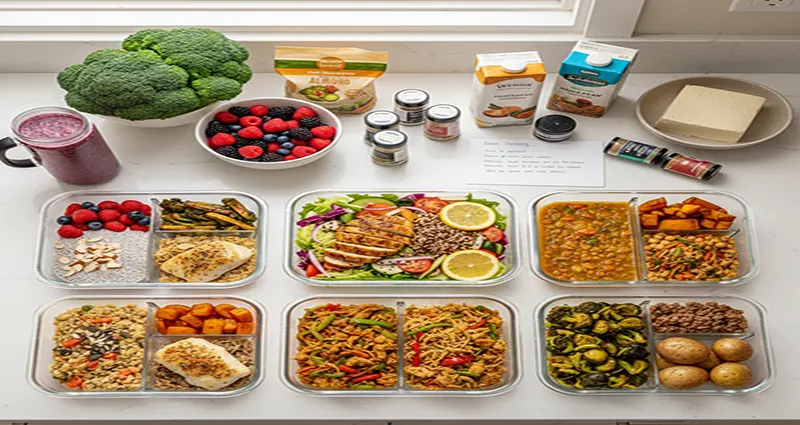
Sample 3-Day Meal Prep Plan: Gluten-Free, Dairy-Free & Budget-Friendly for Weight Loss

This meal plan provides practical, cost-effective ideas for breakfast, lunch, and dinner, emphasizing naturally gluten-free and dairy-free whole foods.

Shopping Smart Tip: Look for sales on chicken thighs, eggs, and seasonal vegetables. Buy brown rice or quinoa in bulk. Utilize frozen fruits and vegetables where fresh is expensive.

Day 1: Hearty & Satisfying

  • Breakfast: Overnight Oats with Frozen Berries & Chia Seeds
    • Prep: In a jar, combine 1/2 cup certified gluten-free rolled oats, 1 tbsp chia seeds, 1 cup unsweetened almond milk (or water), and a handful of frozen mixed berries. Stir well, cover, and refrigerate overnight.
    • Why it works: High fiber keeps you full, easy to grab, and very inexpensive.
  • Lunch: Leftover “Big Batch” Lentil Chili Bowl
    • Prep: (Made on Sunday) A generous serving of the lentil chili (from the article) with 1/2 cup cooked brown rice.
    • Why it works: Protein and fiber-rich, warm, and comforting. Lentils are a
Read More
5 Minutes to Freedom: Your Daily Stretching Routine for Lower Back Pain from Sitting All Day

In our increasingly sedentary world, prolonged sitting has become an unavoidable part of daily life for many. From office desks to commutes and evening relaxation, this constant seated posture often leads to a common, nagging problem: chronic lower back pain. This discomfort isn’t just an annoyance; it signals a muscular imbalance caused by shortened hip flexors and hamstrings, and weakened glutes and core muscles. The good news? A targeted, daily stretching routine can be your most effective weapon.

Just five to ten minutes a day can make a profound difference, counteracting the effects of hours spent seated, restoring flexibility, and helping you achieve a pain-free posture. Let’s dive into your essential daily routine.

The Problem: Why Sitting Hurts Your Back

When you sit for extended periods:

  • Hip Flexors Tighten: These muscles at the front of your hips become chronically short, tilting your pelvis forward and increasing the arch in
Read More
Executive Summary: Impact of Food Deserts on Childhood Obesity

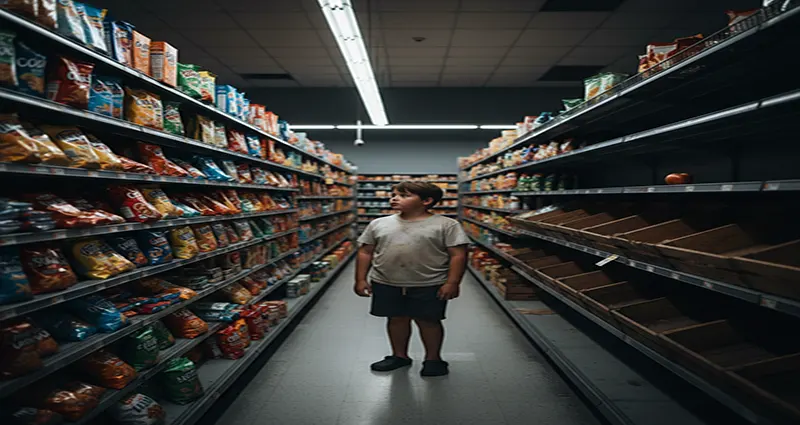
Childhood obesity is a significant public health challenge, disproportionately affecting residents of low-income urban neighborhoods. This analysis highlights the critical role of food deserts—areas with poor access to affordable, nutritious food—as an environmental determinant that drives higher rates of obesity in these communities.

Key Findings

  • Retail Environment: Food deserts are characterized by an overabundance of convenience stores and fast-food outlets offering high-calorie, processed foods, while full-service grocery stores are scarce.
  • Barriers to Access: Low-income families face severe hurdles in accessing healthy food, including:
    • Geographical Distance: Lack of personal vehicles necessitates time-consuming and expensive public transit to reach distant supermarkets.
    • Affordability: Corner store pricing often makes nutritious options unaffordable, forcing reliance on cheaper, energy-dense foods to ensure food security.
  • Health Outcomes: The prolonged exposure to this poor food environment during critical developmental years is strongly correlated with increased childhood BMI and a higher risk of developing chronic diseases, such
Read More