
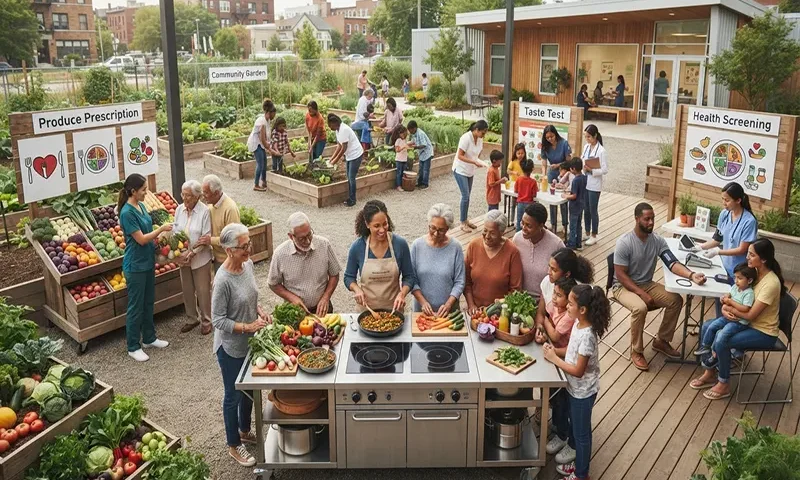
Across the globe, healthcare systems are buckling under an unprecedented wave of non-communicable, lifestyle-related chronic diseases. Conditions such as type 2 diabetes, cardiovascular disease, hypertension, and obesity—once primarily associated with aging—now manifest across increasingly younger demographics. While traditional medical models focus heavily on treating these conditions pharmacologically after they develop, sustainable population health requires an upstream shift. Nutrition must be treated not merely as an individual lifestyle choice, but as a critical determinant of population health requiring robust, systemic public health intervention.
1. Upstream Policy and Structural Interventions
To curb the epidemic of chronic illness, public health strategies must target the root economic and structural environments that drive dietary habits. Individual willpower cannot easily compete against a commercial food landscape saturated with hyper-palatable, cheap, ultra-processed products.
- Fiscal Policies and Economic Levers: Governments wield immense influence through taxation and subsidization. Implementing excise taxes on sugar-sweetened beverages (SSBs) has proven highly effective at reducing consumption, particularly among low-income populations who bear a disproportionate burden of diet-related disease. Concurrently, public health advocates push for agricultural subsidy reform—shifting financial incentives away from mass-producing commodity corn and soy for industrial food processing, and toward growing fresh fruits, vegetables, and legumes.
- Regulatory Frameworks: Policy mandates establish baseline safety and transparency across the food supply. Front-of-package warning labels—such as clear, bold indicators for high sugar, sodium, or saturated fat content—help consumers make informed choices instantly. Furthermore, restricting predatory marketing of junk food targeted at children and enforcing commercial sodium reduction targets significantly lowers population-wide disease risks without requiring active behavioral changes from citizens.
2. Community-Level and Environmental Programs
Beyond macro-level legislation, public health nutrition interventions must transform the immediate physical and social environments where people live, work, and study.
- Eliminating Food Deserts and Building Food Equity: Millions of urban and rural residents live in “food deserts” where affordable, fresh produce is entirely inaccessible, replaced instead by convenience stores and fast-food chains. Public health initiatives must prioritize zoning laws, municipal grants, and logistical support to bring grocery cooperatives, permanent farmer’s markets, and mobile produce stands into underserved communities.
- Revamping Institutional Food Environments: Institutional settings—such as public schools, hospitals, prisons, and workplace cafeterias—shape the nutritional intake of millions daily. Establishing strict nutritional standards for these facilities ensures that healthy eating is not a privilege, but the default option. For example, school meal programs that incorporate scratch-cooking, locally sourced produce, and eliminate processed additives build lifelong protective dietary habits in children.
3. Targeted Educational and Behavioral Campaigns
While structural changes are paramount, populations also require the cultural and educational tools to navigate modern food systems successfully.
- Public Health Communication and Culinary Literacy: Mass-media and community health campaigns must move beyond dry nutritional data to foster cultural culinary empowerment. Teaching communities how to prepare budget-friendly, nutrient-dense meals using staple ingredients bridges the gap between nutritional knowledge and practical kitchen execution.
- Integrating Nutrition into Primary Care: Healthcare settings remain underutilized frontiers for chronic disease prevention. By integrating lifestyle medicine and basic nutrition education into primary care training, doctors and community health workers can screen for nutritional risk factors early, prescribing dietary interventions alongside or ahead of pharmaceuticals.
4. Actionable Takeaways
Preventing lifestyle-related chronic diseases is impossible through consumer lecturing alone. It demands a coordinated, multi-sectoral public health response that bridges legislative policy, community design, and accessible education. When we engineer environments that make healthy nutrition affordable, accessible, and normative, we protect population health at scale and build long-term societal resilience.

