Practical Healthy Lifestyle Habits for Busy Working Professionals on a Budget

The modern professional lifestyle is a relentless balancing act. Between long desk hours, overflowing inboxes, and tight deadlines, self-care often feels like an impossible luxury. When you add financial pressures to the mix, wellness culture can look profoundly out of reach—frequently marketed as an expensive suite of boutique gym memberships, organic superfood powders, and time-consuming meal prep routines.

However, living a healthy lifestyle does not require a blank check or a completely open schedule. Real wellness for working professionals is built on high-return micro-habits: small, strategic choices that actually save you time and money rather than draining them.

1. Nutrition on a Dime and a Clock

For busy professionals, food often becomes an afterthought solved by expensive takeout, delivery apps, or convenient office vending machines. Shifting this dynamic requires working smarter, not harder, in the kitchen.

  • Embrace Strategic Batch Cooking: You do not need to spend your entire Sunday meal
Read More
Role of Food Policy and Security in Improving Public Health Nutrition

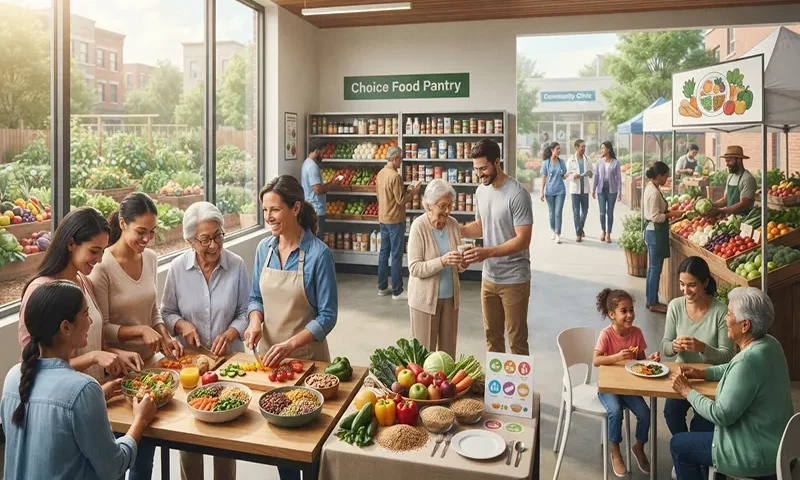
Public health nutrition is traditionally viewed through an individual lens—a matter of personal discipline, dietary choices, and nutritional literacy. However, what lands on a person’s plate is ultimately dictated by forces far outside their control. Macro-level frameworks, economic incentives, and structural laws form the invisible architecture of a population’s well-being. True public health nutrition cannot be achieved through consumer lectures alone; it requires robust food security and progressive, health-driven food policies that make nutritious choices accessible, affordable, and systemic.

1. Defining Food Security and Its Nutritional Dimensions

For decades, global food security was measured primarily through a quantitative lens: calorie sufficiency. As long as populations had enough total calories to stave off outright starvation, a region was deemed secure. Modern public health recognizes this metric as dangerously incomplete. Today, we focus on nutritional security—ensuring that all individuals have continuous physical, social, and economic access to safe, culturally acceptable, and … Read More