
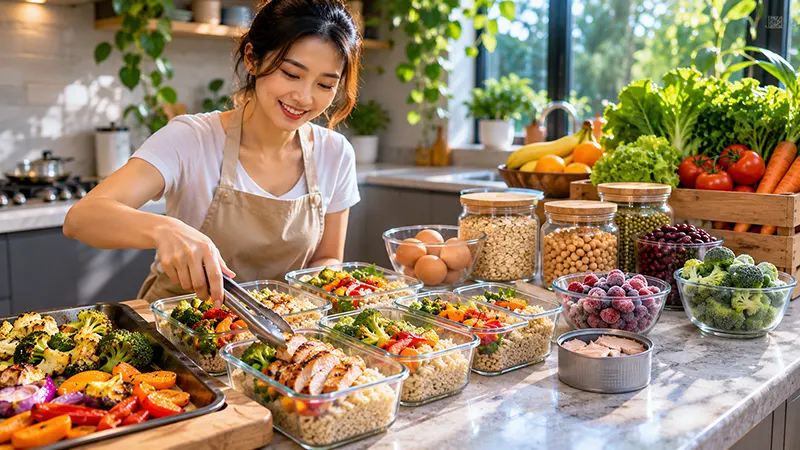
Eating healthy does not have to mean spending a fortune on groceries or spending hours in the kitchen every day. With a little planning, smart shopping decisions, and simple meal preparation techniques, students, families, and budget-conscious households can enjoy nutritious meals without exceeding their food budgets.
The secret is learning how to make affordable ingredients work harder. Seasonal vegetables, frozen produce, eggs, legumes, oats, and canned fish can provide excellent nutritional value at relatively low costs. Combined with a practical weekly meal plan, these ingredients make healthy eating more accessible and convenient.
Here are some effective strategies for eating well while keeping grocery expenses under control.
Plan Your Grocery Shopping Before Visiting the Store
One of the easiest ways to reduce grocery expenses is to shop with a clear plan. Impulse purchases, unnecessary snacks, and buying ingredients without knowing how to use them can quickly increase household food costs.
Start by creating a weekly meal plan covering breakfast, lunch, dinner, and snacks. Check your refrigerator, freezer, and pantry before making a shopping list. This prevents duplicate purchases and helps you use ingredients you already have.
Another useful strategy is to establish a weekly grocery budget. Divide the available amount between essential food categories, including vegetables, fruits, protein sources, grains, and pantry staples.
Compare prices between supermarkets, local markets, and discount grocery stores. Sometimes, local markets offer better prices for seasonal produce, while supermarkets provide attractive promotions on packaged and frozen products.
Choose Seasonal Produce and Affordable Ingredients
Seasonal fruits and vegetables are often cheaper because they are more readily available. Buying produce during its natural growing season can also provide better freshness and flavour.
Instead of purchasing expensive imported fruits, consider affordable local alternatives. Bananas, papayas, watermelons, carrots, cabbage, spinach, and sweet potatoes can provide valuable nutrients without placing too much pressure on your grocery budget.
Frozen fruits and vegetables are another excellent option. They are generally processed shortly after harvesting, helping preserve their nutritional quality. Frozen spinach, peas, broccoli, berries, and mixed vegetables can be convenient alternatives to fresh produce.
They also last longer in the freezer, reducing the likelihood of food spoilage.
For affordable protein and energy sources, stock up on:
- Eggs: Versatile, protein-rich ingredients suitable for breakfast, lunch, and dinner.
- Lentils and beans: Affordable sources of plant protein and dietary fibre.
- Oats: An inexpensive breakfast ingredient that can also be used in baking.
- Canned fish: Tuna and sardines provide convenient protein and useful nutrients.
- Rice and whole grains: Budget-friendly foundations for filling meals.
Combining these ingredients creates nutritious meals without relying on expensive specialty products.
Prepare Weekly Meals in Approximately 90 Minutes
Meal preparation is one of the most effective ways to save time and money during busy weekdays.
Rather than cooking completely different meals every day, prepare several versatile ingredients during one 90-minute cooking session. These ingredients can then be combined into different meals throughout the week.
Start by cooking a large portion of rice, quinoa, or another preferred grain. While it cooks, prepare two protein options, such as roasted chicken and boiled eggs, or baked tofu and seasoned beans.
Next, roast several trays of vegetables. Carrots, broccoli, pumpkin, sweet potatoes, and bell peppers work particularly well with simple seasonings such as garlic, black pepper, olive oil, and paprika.
Divide the prepared ingredients into individual containers once they have cooled appropriately.
A practical preparation schedule might look like this:
| Time | Preparation activity |
| 0–15 minutes | Wash vegetables and prepare ingredients |
| 15–40 minutes | Cook grains and prepare proteins |
| 40–65 minutes | Roast vegetables and prepare eggs |
| 65–80 minutes | Prepare sauces and portion ingredients |
| 80–90 minutes | Organise containers and clean the kitchen |
Always refrigerate perishable foods promptly. Most cooked leftovers should be refrigerated within two hours and generally used within three to four days. Freeze portions intended for later in the week.
Keep Meals Interesting by Reusing Ingredients Creatively
Eating affordable meals does not mean eating the same dish every day. The trick is to prepare common ingredients but change their combinations, seasonings, and presentation.
For example, roasted chicken, rice, and vegetables can become several different meals.
- Monday: Chicken and roasted vegetable rice bowls.
- Tuesday: Chicken and vegetable wraps with yoghurt dressing.
- Wednesday: Chicken and vegetable fried rice.
- Thursday: Chicken salad with boiled eggs.
- Friday: Chicken and vegetable soup.
Similarly, cooked beans can be used in salads, soups, burritos, and vegetable stews.
Prepare a few inexpensive sauces to create variety. Garlic yoghurt dressing, tomato-based sauce, lemon vinaigrette, and simple peanut sauce can transform familiar ingredients into different meals.
This approach reduces cooking time while making the weekly menu more enjoyable.
Reduce Food Waste and Stretch Your Grocery Budget
Food waste is another hidden source of unnecessary household expenses. Ingredients that spoil before being used represent money that could have been saved.
Organise your refrigerator so older ingredients are visible and accessible. Use the first-in, first-out method: consume older products before opening newer purchases.
Store vegetables appropriately to extend their freshness. Keep leafy greens refrigerated, store potatoes in a cool, dark place, and freeze ingredients that cannot be used immediately.
Do not automatically discard vegetables that are slightly less fresh if they remain safe to eat. Carrots, tomatoes, and leafy vegetables can often be incorporated into soups, stir-fries, and sauces.
You can also freeze leftover portions of cooked meals in clearly labelled containers for convenient future lunches.
Build Sustainable Healthy Eating Habits
The most effective budget-friendly eating strategy is one that fits your lifestyle and remains manageable over time.
Avoid purchasing ingredients simply because they are advertised as healthy. Expensive superfoods and specialty products are not essential for maintaining a balanced diet.
Focus instead on variety, appropriate portions, vegetables, fruits, whole grains, and affordable protein sources. Adjust your shopping habits according to your household size, dietary preferences, and weekly budget.
Students can prepare simple one-person portions, while families can benefit from larger batch-cooking sessions and shared grocery lists.
Eating well on a budget is achievable with thoughtful grocery shopping, affordable ingredients, and consistent meal preparation.
By choosing seasonal produce, using frozen vegetables, stocking essential pantry staples, and dedicating approximately 90 minutes to weekly batch cooking, households can enjoy nutritious meals while reducing food expenses.
The goal is not to spend less at the expense of nutrition. It is to make smarter purchasing decisions, minimise food waste, and create practical eating habits that support both your health and your financial well-being.
I can also prepare the SEO meta description, focus keyword, URL slug, and a cinematic 16:9 featured image for this article.

