
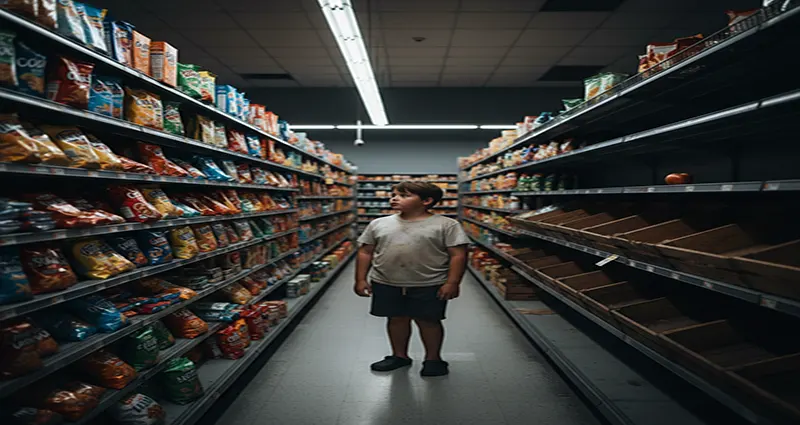
Executive Summary: Impact of Food Deserts on Childhood Obesity
Childhood obesity is a significant public health challenge, disproportionately affecting residents of low-income urban neighborhoods. This analysis highlights the critical role of food deserts—areas with poor access to affordable, nutritious food—as an environmental determinant that drives higher rates of obesity in these communities.
Key Findings
- Retail Environment: Food deserts are characterized by an overabundance of convenience stores and fast-food outlets offering high-calorie, processed foods, while full-service grocery stores are scarce.
- Barriers to Access: Low-income families face severe hurdles in accessing healthy food, including:
- Geographical Distance: Lack of personal vehicles necessitates time-consuming and expensive public transit to reach distant supermarkets.
- Affordability: Corner store pricing often makes nutritious options unaffordable, forcing reliance on cheaper, energy-dense foods to ensure food security.
- Health Outcomes: The prolonged exposure to this poor food environment during critical developmental years is strongly correlated with increased childhood BMI and a higher risk of developing chronic diseases, such
