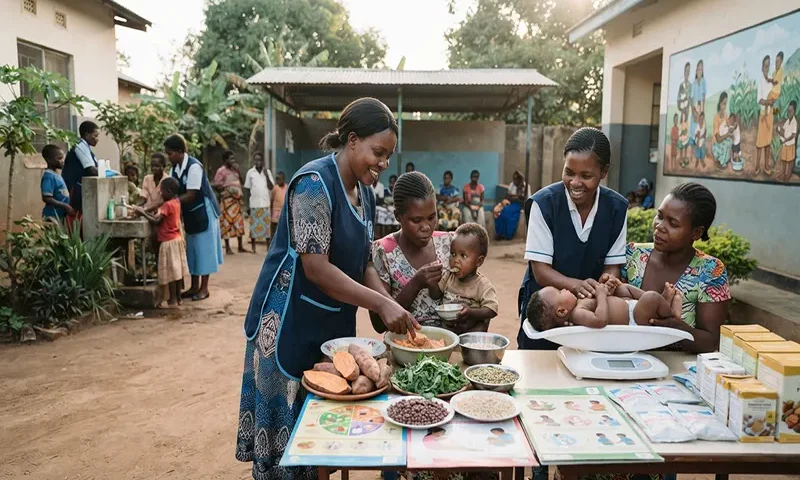
Effective Public Health Nutrition Strategies to Prevent Childhood Malnutrition

Childhood malnutrition remains one of the most critical public health challenges of our time. Far more than just a lack of food, malnutrition is a complex systemic crisis encompassing stunting, wasting, micronutrient deficiencies, and rising rates of childhood overweight. When a child suffers from poor nutrition during their formative years, the consequences extend far beyond physical growth—they permanently alter cognitive development, weaken immune defenses, and diminish lifelong economic potential.

Addressing this crisis requires moving beyond emergency food distribution toward robust, population-level public health nutrition strategies. Sustainable prevention demands a coordinated, multi-sectoral approach that tackles the root environmental, economic, and social determinants of health.

Understanding the Scope and Impact of Childhood Malnutrition

Childhood malnutrition manifests in several distinct, overlapping forms, often referred to as the “triple burden”:

  • Stunting (Low Height-for-Age): Chronic undernutrition that impairs linear growth and brain development, typically occurring during the first two years of life. Stunting is largely
… Read More
How to Improve Gut Flora for Better Health, Nutrition, and Digestion

Inside your digestive tract lies a bustling, microscopic metropolis. Trillions of bacteria, fungi, viruses, and other microbes—collectively known as the gut microbiome—live, work, and communicate within you every single day. Far from being mere passengers, this complex ecosystem plays a staggering role in nearly every aspect of your well-being, from how well you digest your lunch to how resilient your immune system is against illness.

In recent years, modern science has unraveled the profound connection between gut health and whole-body vitality. If you have ever felt bloated, fatigued, or sluggish without a clear reason, your gut flora might be trying to send you a message. Fortunately, because your microbiome is dynamic and constantly evolving, you have the power to reshape and nurture it through targeted nutrition and lifestyle habits.

What Is the Gut Microbiome and Why Does It Matter?

The gut microbiome consists of an estimated 38 trillion microorganisms residing … Read More

Case Study: Building Trust in Rural Mental Health

The challenge of implementing culturally competent health promotion strategies is perhaps most critical in the area of mental health in rural communities. While rates of depression, anxiety, and suicide are often high, rural residents frequently face profound barriers rooted in cultural norms and systemic issues.

The Challenge of Rural Identity and Mental Health

In many rural settings, self-reliance, stoicism, and emotional toughness are deeply valued cultural traits. There is often a strong aversion to perceived “weakness” or “needing help” from outsiders. Consequently, seeking mental health services carries a powerful stigma. Furthermore, small communities lack anonymity; any visit to a local counselor or clinic may become public knowledge, leading many to avoid treatment entirely.

A Culturally Competent Strategy: The “Front Door” Approach

A generic mental health campaign featuring urban-style ads would fail spectacularly. A culturally competent approach focuses on building trust and reframing the conversation using familiar, non-stigmatizing community structures.… Read More

Executive Summary: Impact of Food Deserts on Childhood Obesity

Childhood obesity is a significant public health challenge, disproportionately affecting residents of low-income urban neighborhoods. This analysis highlights the critical role of food deserts—areas with poor access to affordable, nutritious food—as an environmental determinant that drives higher rates of obesity in these communities.

Key Findings

  • Retail Environment: Food deserts are characterized by an overabundance of convenience stores and fast-food outlets offering high-calorie, processed foods, while full-service grocery stores are scarce.
  • Barriers to Access: Low-income families face severe hurdles in accessing healthy food, including:
    • Geographical Distance: Lack of personal vehicles necessitates time-consuming and expensive public transit to reach distant supermarkets.
    • Affordability: Corner store pricing often makes nutritious options unaffordable, forcing reliance on cheaper, energy-dense foods to ensure food security.
  • Health Outcomes: The prolonged exposure to this poor food environment during critical developmental years is strongly correlated with increased childhood BMI and a higher risk of developing chronic diseases, such
… Read More
How to Create a Balanced Eating Plan for Optimal Health

When it comes to maintaining good health, one of the most important factors is having a balanced eating plan. A well-rounded diet not only provides the necessary nutrients for the body to function properly but also helps prevent various diseases and promote overall well-being. If you are looking to create a balanced eating plan for health, here are some essential tips to guide you:

1. Include a Variety of Nutrient-Dense Foods

Ensure your eating plan includes a variety of foods from all food groups. Aim to incorporate fruits, vegetables, whole grains, lean proteins, and healthy fats in every meal. This will help you get a wide range of essential nutrients for optimal health.

2. Control Portion Sizes

Be mindful of portion sizes to avoid overeating. Using smaller plates, measuring serving sizes, and listening to your body’s hunger cues can help you regulate your portions and prevent excessive calorie consumption.

3.

… Read More